- 30 min read
- 36 phrases
- 4 copy-ready templates
- 8 questions answered
Direct answer
Top other ways to say due to weather conditions include because of the weather and due to inclement weather. Owing to adverse weather is another strong option. Choosing the right phrase keeps your message clear and polite. A casual text to a friend differs from a formal school alert.
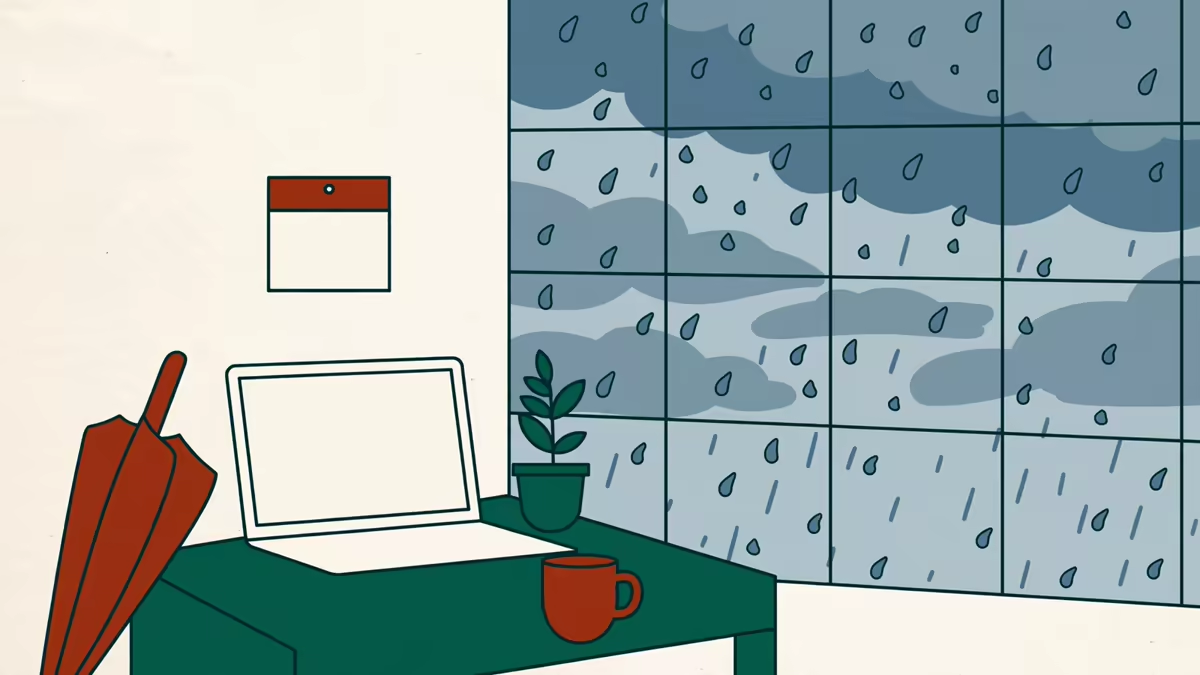
Heavy snow, severe storms, and sudden flooding force teams to change plans fast. Repeating the same stiff phrase makes your writing feel robotic. Fresh wording helps readers grasp any delay or closure in seconds.
This guide shares 36 other ways to say due to weather conditions, sorted by tone and setting. You also get ready-to-send templates, grammar rules, and channel tips. For more everyday English wording, browse our English phrase guides.
TL;DR
- Use ‘because of the weather’ for clear, everyday speech and casual texts.
- Pick ‘due to inclement weather’ or ‘owing to adverse weather’ for official closure notices.
- Lead with the action first, such as ‘School is closed today due to snow,’ in urgent alerts.
- Use ‘because of’ after verbs and ‘due to’ after nouns to keep your grammar sharp.
- Add a safety phrase like ‘For everyone’s safety’ when canceling travel or in-person events.
On this page
- At a Glance: All 36 Other Ways to Say Due to Weather Conditions
- Top 12 Other Ways to Say Due to Weather Conditions Compared
- What ‘Due to Weather Conditions’ Means
- Simple Replacements
- Formal Notices
- Closures and Cancellations
- Casual Phrases
- Business Email Phrases
- Safety Wording
- Formality Ladder: Other Ways to Say Due to Weather Conditions
- Ready-to-Send Templates
- Channel Guide for Other Ways to Say Due to Weather Conditions
- Common Mistakes with Due to Weather Conditions
- How to Choose Among Other Ways to Say Due to Weather Conditions
- US vs. UK Differences
- Is ‘Due to Weather Conditions’ Professional or Polite?
- Advantages and Disadvantages
- Quick Copy-Paste Picks
- Key Takeaways
- Frequently Asked Questions
At a Glance: All 36 Other Ways to Say Due to Weather Conditions
| Phrase | Formality | Best for |
|---|---|---|
| 1. because of the weather | Neutral | Everyday emails, speech |
| 2. due to the weather | Neutral to Formal | Short notices, banners |
| 3. on account of the weather | Conversational | Spoken updates, notes |
| 4. owing to the weather | Formal | UK notices, letters |
| 5. given the weather | Neutral | Flexible rescheduling |
| 6. as a result of the weather | Neutral to Formal | Incident reports |
| 7. Due to inclement weather | Formal | Schools, official alerts |
| 8. Owing to adverse weather | Formal | Airlines, rail, memos |
| 9. As a result of severe weather | Formal | Emergency, utilities |
| 10. In light of the forecast | Formal to Neutral | Early cancellations |
| 11. Given the weather advisory | Formal | Campus, office alerts |
| 12. Following the weather warning | Formal | Post-warning updates |
| 13. We are closed because of the storm | Neutral | Storefronts, cafes |
| 14. Today’s event is canceled for safety | Neutral to Formal | Events, workshops |
| 15. School is closed today due to snow | Neutral to Formal | Schools, daycares |
| 16. The flight is delayed by weather | Neutral | Travel, family texts |
| 17. Service is paused because of conditions | Neutral to Formal | Delivery, transit |
| 18. The game is postponed due to rain | Neutral | Sports leagues |
| 19. With this weather | Casual | Friend texts, chats |
| 20. Because it’s pouring | Casual | Rain texts |
| 21. The storm’s keeping us in | Casual | Family, social replies |
| 22. Roads are too icy | Casual to Neutral | Winter check-ins |
| 23. It’s too stormy to travel | Casual to Neutral | Trip changes |
| 24. Weather’s not cooperating | Casual | Outdoor plans |
| 25. Weather conditions have forced us to reschedule | Professional | Client meetings |
| 26. Hazardous conditions have delayed delivery | Professional | Shipping, B2B orders |
| 27. Our team is working remotely because of the storm | Professional | Client, HR updates |
| 28. We have adjusted our hours for safety | Professional | Retail, clinics, banks |
| 29. Deliveries may be delayed by the weather | Professional | Checkout banners |
| 30. We will update you as conditions improve | Professional | Ongoing disruptions |
| 31. For everyone’s safety | Neutral to Formal | Closures, group alerts |
| 32. As a safety precaution | Formal to Neutral | Early dismissals |
| 33. Out of caution for the forecast | Neutral to Formal | Early event shifts |
| 34. To keep staff and guests safe | Neutral to Formal | Hospitality, retail |
| 35. Please stay home if travel isn’t safe | Warm and Supportive | Manager emails |
| 36. Stay safe out there | Casual to Warm | Closing lines |
Top 12 Other Ways to Say Due to Weather Conditions Compared
| Phrase | Formality | Best channel | Avoid when |
|---|---|---|---|
| because of the weather | Neutral | Everyday emails, speech | Writing legal contracts or formal city releases |
| due to the weather | Neutral | Short notices, banners | Placing it right after an action verb |
| owing to the weather | Formal | UK notices, letters | Texting close friends in a casual group chat |
| Due to inclement weather | Formal | Schools, official alerts | Describing light drizzle with zero safety risk |
| Owing to adverse weather | Formal | Airlines, rail, memos | Sending quick casual texts to your coworkers |
| In light of the forecast | Neutral | Early cancellations | Updating guests when the storm is already outside |
| We are closed because of the storm | Neutral | Storefronts, cafes | Keeping your online store or phone desk open |
| School is closed today due to snow | Neutral | Schools, daycares | Switching the district to a remote learning day |
| Because it’s pouring | Casual | Rain texts | Reporting snow, ice, fog, or high summer heat |
| Weather conditions have forced us to reschedule | Formal | Client meetings | Moving a quick chat onto a video call |
| Our team is working remotely because of the storm | Neutral | Client, HR updates | Closing an in-person shop with no remote staff |
| For everyone’s safety | Neutral | Closures, group alerts | Explaining minor schedule tweaks with zero physical risk |
Note: Examples are short notices or messages about delays, closures or changed plans.
What ‘Due to Weather Conditions’ Means
‘Due to weather conditions’ means a plan changed because rain, snow, ice, heat or wind made normal activity unsafe. It names the cause without blaming anyone, so schools, airlines and offices use it often.
The phrase is short and neutral, which makes it safe for notices and subject lines. The other ways to say due to weather conditions in this guide change the tone, length or detail.
Its closest rivals are ‘because of the weather’ and ‘owing to the weather.’ Use ‘because of’ after a verb and ‘due to’ after a noun. ‘Owing to’ sounds more formal and appears often in British notices.
Pick ‘due to weather conditions’ for an official tone. Pick ‘because of the weather’ for plain speech, and pick a shorter option when space is tight.
Simple Replacements
Because of and due to
Because of
Use after a verb. It explains why an action happened.
Due to
Use after a noun. It describes the cause of a thing.
These everyday other ways to say due to weather conditions fit texts, emails and spoken updates without sounding stiff.
1. because of the weather
Meaning: Shows rain, snow, or heat caused a change.
Use it when: You want plain English everyone understands.
Formality: Neutral Tone: Clear and direct
Examples
- Text
We moved lunch inside because of the weather. - Team
Our site visit moved because of the weather. - Shop
Patio seating is closed because of the weather.
Why it works: Plain language removes friction for busy readers.
Skip it when: Writing legal contracts or formal city releases.
2. due to the weather
Meaning: Points to outdoor weather as the cause of delay.
Use it when: Writing after a noun like delay or closure.
Formality: Neutral to Formal Tone: Crisp and standard
Examples
- Banner
Expect shipping delays today due to the weather. - Subject: Schedule update due to the weather
- Phone
Our office closes early due to the weather.
Why it works: Familiar phrasing builds instant recognition on small screens.
Skip it when: Placing it right after an action verb.
3. on account of the weather
Meaning: Means because of the current outdoor conditions.
Use it when: Speaking aloud or writing a warm community note.
Formality: Conversational Tone: Warm and traditional
Examples
- Note
We canceled the picnic on account of the weather. - Call
I am running late on account of the weather. - Club
Practice is off tonight on account of the weather.
Why it works: Traditional wording softens abrupt news in local groups.
Skip it when: Sending tight SMS alerts with strict word limits.
4. owing to the weather
Meaning: Explains politely why an event or service stopped.
Use it when: Writing formal letters, especially to British readers.
Formality: Formal Tone: Polite and measured
Examples
- Letter
The shoot is rescheduled owing to the weather. - Transit
Ferry crossings are paused owing to the weather. - Venue
The garden tour closed owing to the weather.
Why it works: Measured tone adds polish to formal client letters.
Skip it when: Texting close friends in a casual group chat.
5. given the weather
Meaning: Means considering the forecast before making a choice.
Use it when: Explaining a smart shift in meeting plans.
Formality: Neutral Tone: Calm and reasonable
Examples
- Slack
Given the weather, let us meet on video. - Friend
Given the weather, want coffee tomorrow instead? - Boss
Given the weather, leave early before five.
Why it works: Thoughtful framing invites agreement instead of pushback.
Skip it when: Announcing an emergency after a major disaster.
6. as a result of the weather
Meaning: Connects a specific outage or delay to storms.
Use it when: Writing post-event summaries or detailed client emails.
Formality: Neutral to Formal Tone: Factual and clear
Examples
- Report
Power flickered twice as a result of the weather. - Vendor
Two crates arrived wet as a result of the weather. - Memo
Bus routes ran late as a result of the weather.
Why it works: Cause-and-effect structure works well in factual summaries.
Skip it when: Posting short social updates where three words work.
Formal Notices
Formal other ways to say due to weather conditions give official alerts polished, authoritative wording.
7. Due to inclement weather
Meaning: States formally that rough weather forced a change.
Use it when: Opening official closure banners and HR alerts.
Formality: Formal Tone: Official and serious
Examples
- School
Due to inclement weather, campuses are closed today. - HR
Due to inclement weather, we open at noon. - Court
Due to inclement weather, morning hearings moved.
Why it works: Institutional wording signals authority from the first word.
Skip it when: Describing light drizzle with zero safety risk.
8. Owing to adverse weather
Meaning: Indicates harsh conditions have disrupted normal operations.
Use it when: Writing transit advisories and formal supplier notices.
Formality: Formal Tone: Polished and formal
Examples
- Rail
Owing to adverse weather, express trains run slowly. - Event
Owing to adverse weather, our ceremony moves indoors. - Port
Owing to adverse weather, loading pauses until dawn.
Why it works: Formal vocabulary fits public transit and corporate updates.
Skip it when: Sending quick casual texts to your coworkers.
9. As a result of severe weather
Meaning: Highlights dangerous storms or floods as the cause.
Use it when: Issuing urgent alerts about real physical danger.
Formality: Formal Tone: Urgent and factual
Examples
- Utility
As a result of severe weather, crews repair lines. - Clinic
As a result of severe weather, visits are virtual. - City
As a result of severe weather, park trails closed.
Why it works: Strong adjectives communicate risk without causing panic.
Skip it when: Explaining minor delays from routine morning fog.
10. In light of the forecast
Meaning: Shows a decision came early after checking predictions.
Use it when: Moving an event before bad weather even arrives.
Formality: Formal to Neutral Tone: Proactive and thoughtful
Examples
- Event
In light of the forecast, Friday streams online. - Coach
In light of the forecast, games start at eight. - Office
In light of the forecast, take laptops home.
Why it works: Forward-looking phrasing shows smart planning ahead of storms.
Skip it when: Updating guests when the storm is already outside.
11. Given the weather advisory
Meaning: Cites an official warning as the reason for change.
Use it when: Responding to a local storm or freeze alert.
Formality: Formal Tone: Grounded and cautious
Examples
- Campus
Given the weather advisory, night classes are off. - Courier
Given the weather advisory, rural routes pause today. - HR
Given the weather advisory, travel is suspended.
Why it works: Citing official guidance removes doubt about your choice.
Skip it when: Writing updates when no agency issued an advisory.
12. Following the weather warning
Meaning: Explains that closures follow a fresh public warning.
Use it when: Reacting fast to new alerts from local officials.
Formality: Formal Tone: Responsive and clear
Examples
- Pool
Following the weather warning, decks are cleared. - School
Following the weather warning, clubs are canceled. - Store
Following the weather warning, we close at three.
Why it works: Time-based wording shows fast action after new alerts.
Skip it when: Explaining routine seasonal closures every winter.
Closures and Cancellations
These other ways to say due to weather conditions tell customers, students and guests right away that plans changed.
13. We are closed because of the storm
Meaning: Tells customers plainly your location is shut today.
Use it when: Posting on door signs, Google profiles, and social feeds.
Formality: Neutral Tone: Direct and helpful
Examples
- Sign
We are closed because of the storm. Stay safe! - Social
We are closed because of the storm until Tuesday. - Email
We are closed because of the storm today.
Why it works: Putting closures first saves customers a wasted trip.
Skip it when: Keeping your online store or phone desk open.
14. Today’s event is canceled for safety
Meaning: Announces a gathering stopped to protect attendees.
Use it when: Sending event emails, SMS blasts, and page banners.
Formality: Neutral to Formal Tone: Caring and firm
Examples
- SMS
Today’s event is canceled for safety. Refunds coming. - Header
Update: Today’s event is canceled for safety. - Story
Today’s event is canceled for safety. New date soon.
Why it works: Linking cancellations to safety builds instant goodwill.
Skip it when: Pushing the start time back by one hour.
15. School is closed today due to snow
Meaning: Notifies families that snow makes school travel unsafe.
Use it when: Sending morning robocalls, parent texts, and tickers.
Formality: Neutral to Formal Tone: Clear and urgent
Examples
- Text
School is closed today due to snow. Stay warm. - Banner
School is closed today due to snow. No buses. - Email
School is closed today due to snow. Rest up.
Why it works: Early-morning parents need instant facts in seven words.
Skip it when: Switching the district to a remote learning day.
16. The flight is delayed by weather
Meaning: Explains that storms are holding up a departure.
Use it when: Updating coworkers, drivers, or family at the airport.
Formality: Neutral Tone: Brief and factual
Examples
- Family
The flight is delayed by weather until nine. - Slack
The flight is delayed by weather; missing standup. - Hotel
The flight is delayed by weather. Hold my room.
Why it works: Short passive phrasing mirrors real airport status boards.
Skip it when: Sharing a confirmed new gate and boarding time.
17. Service is paused because of conditions
Meaning: States operations stopped temporarily until skies clear.
Use it when: Pausing routes that will resume later that day.
Formality: Neutral to Formal Tone: Calm and temporary
Examples
- App
Service is paused because of conditions. Check soon. - Transit
Ferry service is paused because of conditions. - Courier
Pickup service is paused because of conditions.
Why it works: Temporary wording reassures riders you will reopen soon.
Skip it when: Canceling service for the rest of the week.
18. The game is postponed due to rain
Meaning: Tells players a match moves to a later date.
Use it when: Updating youth sports and outdoor league schedules.
Formality: Neutral Tone: Crisp and practical
Examples
- League
The game is postponed due to rain until Friday. - Coach
The game is postponed due to rain. Keep jerseys. - Sign
The game is postponed due to rain. Fields closed.
Why it works: Clear distinctions reassure players they still get to play.
Skip it when: Canceling the match with no makeup date planned.
Casual Phrases
Casual other ways to say due to weather conditions suit texts to friends, neighbors and close coworkers. After a rough storm week, pair them with other ways to say I’m tired.
19. With this weather
Meaning: A relaxed opener pointing out obvious storm conditions.
Use it when: Chatting with people looking at the same sky.
Formality: Casual Tone: Relaxed and natural
Examples
- Friend
With this weather, let us order soup inside. - Team
With this weather, I am working from home. - Neighbor
With this weather, I grabbed your mail too.
Why it works: Conversational openers feel like real speech among friends.
Skip it when: Drafting formal client memos or public press releases.
20. Because it’s pouring
Meaning: Names heavy rain as the reason for changing plans.
Use it when: Texting right when rain starts falling hard.
Formality: Casual Tone: Vivid and casual
Examples
- Lunch
Let us skip the walk because it’s pouring. - Traffic
Roads are slow because it’s pouring outside. - Plans
Movie night moved inside because it’s pouring.
Why it works: Specific verbs paint a clear picture in seconds.
Skip it when: Reporting snow, ice, fog, or high summer heat.
21. The storm’s keeping us in
Meaning: A friendly way to say your home stays indoors.
Use it when: Declining dinner invites during a rough storm.
Formality: Casual Tone: Cozy and friendly
Examples
- Dinner
Sorry to miss tonight; the storm’s keeping us in. - Family
The storm’s keeping us in, so we are baking. - Chat
Looks like the storm’s keeping us in all Sunday.
Why it works: Warm phrasing keeps social declines gentle and upbeat.
Skip it when: Writing formal business emails where idioms feel off.
22. Roads are too icy
Meaning: Gives a concrete safety reason against driving today.
Use it when: Explaining why you cannot commute or make appointments.
Formality: Casual to Neutral Tone: Practical and grounded
Examples
- Boss
Roads are too icy, so I am logging in remotely. - Clinic
Roads are too icy. Can we rebook Thursday? - Carpool
Roads are too icy to drive to the gym.
Why it works: Naming road hazards ends any debate about commuting.
Skip it when: Explaining delays caused by rain or summer heat.
23. It’s too stormy to travel
Meaning: States plainly that storm conditions make travel unwise.
Use it when: Calling off a drive, train trip, or visit.
Formality: Casual to Neutral Tone: Honest and clear
Examples
- Family
It’s too stormy to travel tonight. See you tomorrow. - Host
It’s too stormy to travel safely, so we canceled. - Friend
It’s too stormy to travel, so rest at home.
Why it works: Honest phrasing puts safety ahead of travel guilt.
Skip it when: Drafting formal airline or corporate travel policy pages.
24. Weather’s not cooperating
Meaning: A playful way to say rain ruined outdoor plans.
Use it when: Moving golf games, photo shoots, or casual coffee.
Formality: Casual Tone: Light and upbeat
Examples
- Client
Weather’s not cooperating for lunch. Zoom instead? - Photo
Weather’s not cooperating, so let us shoot Friday. - Golf
Weather’s not cooperating. Rain check next week?
Why it works: Playful wording keeps disappointment low during rainouts.
Skip it when: Updating people during dangerous storms or flood warnings.
Business Email Phrases
Professional other ways to say due to weather conditions explain delays, remote shifts and rescheduled meetings.
25. Weather conditions have forced us to reschedule
Meaning: Explains politely that conditions left no safe choice.
Use it when: Emailing clients or candidates about a moved date.
Formality: Professional Tone: Polite and decisive
Examples
- Client
Weather conditions have forced us to reschedule Thursday. - HR
Weather conditions have forced us to reschedule interviews. - Vendor
Weather conditions have forced us to reschedule repairs.
Why it works: Firm yet courteous wording shows the shift was unavoidable.
Skip it when: Moving a quick chat onto a video call.
26. Hazardous conditions have delayed delivery
Meaning: Informs buyers that dangerous roads slowed their shipment.
Use it when: Sending proactive tracking updates before customers ask.
Formality: Professional Tone: Serious and transparent
Examples
- Order
Hazardous conditions have delayed delivery of your freight. - B2B
Hazardous conditions have delayed delivery by one day. - Support
Hazardous conditions have delayed delivery up north.
Why it works: Transparent updates protect drivers while setting fair expectations.
Skip it when: Explaining delays caused by an internal packing error.
27. Our team is working remotely because of the storm
Meaning: Lets contacts know your business runs from home.
Use it when: Reassuring clients that emails stay answered on time.
Formality: Professional Tone: Reassuring and capable
Examples
- Client
Our team is working remotely because of the storm. - Status
Our team is working remotely because of the storm today. - Slack
Our team is working remotely because of the storm. Stay safe!
Why it works: Combining safety with continuity reassures busy clients.
Skip it when: Closing an in-person shop with no remote staff.
28. We have adjusted our hours for safety
Meaning: Announces shortened hours to protect staff and visitors.
Use it when: Opening late or closing early instead of full closure.
Formality: Professional Tone: Considerate and clear
Examples
- Clinic
We have adjusted our hours for safety; opening at ten. - Bank
We have adjusted our hours for safety ahead of ice. - Shop
We have adjusted our hours for safety; closing at four.
Why it works: Clear notice stops visitors from arriving at locked doors.
Skip it when: Closing your business for the entire day.
29. Deliveries may be delayed by the weather
Meaning: Warns shoppers ahead of time about storm delays.
Use it when: Posting on checkout pages during active storm weeks.
Formality: Professional Tone: Proactive and fair
Examples
- Checkout
Deliveries may be delayed by the weather this week. - Email
Deliveries may be delayed by the weather; track online. - FAQ
Deliveries may be delayed by the weather in winter.
Why it works: Early warnings cut down on frustrated support tickets.
Skip it when: Updating buyers whose package is already three days late.
30. We will update you as conditions improve
Meaning: Promises follow-up news once the storm passes.
Use it when: Closing an alert when reopening times remain uncertain.
Formality: Professional Tone: Steady and attentive
Examples
- Outage
We will update you as conditions improve tonight. - School
We will update you as conditions improve by six. - Event
We will update you as conditions improve on Sunday.
Why it works: Promising follow-ups stops readers from calling repeatedly.
Skip it when: Sharing a firm, guaranteed reopening hour right now.
Safety Wording
Safety-first other ways to say due to weather conditions show care and soften a sudden cancellation.
31. For everyone’s safety
Meaning: Puts staff and guest well-being first.
Use it when: Opening a cancellation notice for an in-person shift.
Formality: Neutral to Formal Tone: Caring and unifying
Examples
- Office
For everyone’s safety, the building stays closed tomorrow. - Church
For everyone’s safety, Wednesday dinner is canceled. - Gym
For everyone’s safety, morning classes are off.
Why it works: Shared safety language puts everyone on the same side.
Skip it when: Explaining minor schedule tweaks with zero physical risk.
32. As a safety precaution
Meaning: Shows a decision prevented accidents before peak storms.
Use it when: Closing early or locking outdoor areas ahead of wind.
Formality: Formal to Neutral Tone: Prudent and calm
Examples
- HR
As a safety precaution, please head home before four. - School
As a safety precaution, recess stays indoors today. - Venue
As a safety precaution, rooftop access is locked.
Why it works: Preventive phrasing sounds responsible rather than reactive.
Skip it when: Reporting storm damage that has already happened.
33. Out of caution for the forecast
Meaning: Explains predicted weather led to a careful choice.
Use it when: Acting early while skies still look clear outside.
Formality: Neutral to Formal Tone: Thoughtful and careful
Examples
- Class
Out of caution for the forecast, we moved online. - Client
Out of caution for the forecast, let us meet Monday. - Club
Out of caution for the forecast, the hike moved.
Why it works: Acknowledging the forecast answers people seeing sunny skies.
Skip it when: Updating guests while a blizzard is already hitting.
34. To keep staff and guests safe
Meaning: Names both workers and visitors in your safety decision.
Use it when: Writing restaurant, hotel, salon, or retail closure posts.
Formality: Neutral to Formal Tone: Warm and protective
Examples
- Cafe
To keep staff and guests safe, we close early. - Salon
To keep staff and guests safe, Tuesday bookings moved. - Hotel
To keep staff and guests safe, valet is paused.
Why it works: Naming both groups shows equal care for workers and guests.
Skip it when: Sending solo contractor emails with no staff involved.
35. Please stay home if travel isn’t safe
Meaning: Gives people clear permission to skip unsafe commutes.
Use it when: Keeping an office open while local roads vary.
Formality: Warm and Supportive Tone: Supportive and flexible
Examples
- Manager
Please stay home if travel isn’t safe near you. - Meetup
We are meeting, but please stay home if travel isn’t safe. - Tutor
Please stay home if travel isn’t safe; use Zoom.
Why it works: Explicit permission removes guilt for commuters on icy hills.
Skip it when: Locking the entire building so nobody can enter.
36. Stay safe out there
Meaning: A brief, caring sign-off during rough weather.
Use it when: Ending a storm update, social post, or friendly email.
Formality: Casual to Warm Tone: Friendly and caring
Examples
- Social
See you after the snow melts. Stay safe out there! - Slack
Logging off early before the rain. Stay safe out there. - Client
We will reconnect Monday. Stay safe out there.
Why it works: Human sign-offs soften storm stress and pair well with other ways to say self-care.
Skip it when: Using it as a subject line without the schedule change.
Formality Ladder: Other Ways to Say Due to Weather Conditions
This ladder ranks nine other ways to say due to weather conditions from casual to formal. Pick the level that fits your reader and channel.
| Level | Example phrase | Best audience |
|---|---|---|
| 1 – Very Casual | Weather’s not cooperating | Friends, family, close peers |
| 2 – Casual | Because it’s pouring | Friends, neighbors, group chats |
| 3 – Conversational | With this weather | Group chats, neighbor texts |
| 4 – Neutral | because of the weather | General emails, social updates |
| 5 – Warm Neutral | For everyone’s safety | Customers, guests, community posts |
| 6 – Business | Weather conditions have forced us to reschedule | Clients, vendors, project teams |
| 7 – Professional | Hazardous conditions have delayed delivery | Clients, vendors, HR updates |
| 8 – Formal | Owing to adverse weather | Rail notices, company letters, UK readers |
| 9 – Official | Due to inclement weather | Schools, courts, public notices |
Ready-to-Send Templates
Weather phrases, casual to formal
Casual
Close friends, relaxed chat
Casual, warm
A friend you know well
Neutral
Everyday talk, most messages
Neutral, polite
A new contact, light tone
- This phrase
Professional
Work email, formal messages
Professional, warm
A valued contact, kind tone
Formal
Senior leaders, careful wording
Formal, warm
A respected senior, kind tone
Very formal
Official notices, ceremonies
Copy these templates and swap in your own details. Each one uses other ways to say due to weather conditions from this guide.
School closure alert
School closed today because of heavy snow.
Classes resume tomorrow at the usual time.
Check the school site for updates.
Copy-ready message
Template 1: Business Closure Notice (Email or Social Post)
Subject: Closed today due to weather conditions
Hi everyone,
We are closed today because of the storm. To keep staff and guests safe, we reopen tomorrow at 9:00 AM. Stay safe out there.
Copy-ready message
Template 2: Delivery or Service Delay (Customer Email)
Subject: Update on your delivery
Hello [Name],
Hazardous conditions have delayed delivery by one business day. Track your order anytime with your link. Thank you for understanding.
Copy-ready message
Template 3: Team Remote-Work Shift (Internal Slack or Email)
Subject: Working remotely today due to the weather
Hi team,
Given the weather advisory, our office is closed. Our team is working remotely because of the storm. Please stay home if travel isn’t safe, and keep a calm work environment.
Copy-ready message
Template 4: Event Postponement (SMS or Short Alert)
Hi [Name], today’s event is canceled for safety. We will text the new date tomorrow. Reply for a full refund.
Channel Guide for Other Ways to Say Due to Weather Conditions
The best other ways to say due to weather conditions match the screen where people read them. SMS alerts and push notifications work best under 15 words. Lead with the action, like ‘School is closed today due to snow.’ Add extra details right after.
Email gives you room for context and next steps. Use ‘We have adjusted our hours for safety’ so clients know what happens next. You can also use ‘Weather conditions have forced us to reschedule.’ For door signs, keep fonts large and end with a warm sign-off.
Subject lines should lead with the decision, as in ‘Closed today due to weather conditions.’ Another option is ‘Schedule update because of the storm.’ Keep them under 60 characters so phones show the full line.
Openings and sign-offs set the tone. Open with the decision, such as ‘We are closed today because of the storm.’ Close with a safety note like ‘Stay safe out there’ or ‘Thank you for understanding.’
Text and DM messages need one short line. Try ‘Roads are icy, so I am working from home today.’ Add a time if you know it.
Spoken updates sound best with the decision first and the reason second. Say ‘We are closing at three because of the storm.’ Slow down on times and dates.
Social captions pair a clear notice with one safety line. Try ‘We are closed today because of the storm. Stay safe out there!’ Pin the post until you reopen.
Common Mistakes with Due to Weather Conditions
These five slips are the most common errors with other ways to say due to weather conditions. Each row shows a weak line, a better line and the reason.
| Mistake | Weak example | Better version | Why it matters |
|---|---|---|---|
| Using ‘due to’ after a verb | We closed due to the storm. | We closed because of the storm. | Pair ‘due to’ with nouns. |
| Using ‘inclement’ in casual texts | Late due to inclement weather. | Late because it’s pouring. | Stiff words feel robotic. |
| Burying the closure | After checking radar, we are closed. | We are closed because of the storm. | Lead with the decision. |
| Omitting a timeframe | Delayed due to weather conditions. | Delayed by weather until 4:00 PM. | Times prevent follow-up questions. |
| Confusing canceled and postponed | Game is canceled until Saturday. | Game is postponed due to rain. | Postponed signals a new date. |
How to Choose Among Other Ways to Say Due to Weather Conditions
- If you are texting a friend, use ‘Because it’s pouring’ or ‘With this weather.’
- If you are writing a school or city alert, use ‘Due to inclement weather.’
- If you need clean grammar after a verb, use ‘because of the weather’ or ‘owing to the weather.’
- If your office is staying open online, use ‘Our team is working remotely because of the storm.’
- If you cancel early, use ‘In light of the forecast’ or ‘Out of caution for the forecast.’
- If you want to show care for visitors, use ‘For everyone’s safety’ or ‘To keep staff and guests safe.’
US vs. UK Differences
Two real differences separate American and British notices that use other ways to say due to weather conditions. First, spelling shifts for cancellations. US writers use ‘canceled’ with one L, while UK writers use ‘cancelled’ with two Ls.
Second, British rail and public notices use ‘owing to adverse weather’ far more often than American ones. US notices lean heavily on ‘due to inclement weather’ instead. Both options are grammatically sound, so match your local audience.
Is ‘Due to Weather Conditions’ Professional or Polite?
Yes, ‘due to weather conditions’ is both professional and polite for most business notices. It sounds neutral, objective, and calm when plans change unexpectedly. Clients and coworkers rarely take offense to it.
The phrase can feel slightly stiff or repetitive if you send several updates in one week. Pairing it with a human touch like ‘For everyone’s safety’ makes your note warmer. You can also explore more everyday wording across our phrase hub to keep your writing fresh.
Formal email: it is polite and safe, so add the new date or the next step.
Workplace chat: it reads clear but stiff, so ‘because of the weather’ sounds friendlier.
Friends and texts: it sounds like a notice, so try ‘with this weather’ or ‘because it’s pouring’.
Social posts: it suits a closure banner, while ‘Stay safe out there’ feels warmer.
Advantages and Disadvantages
Advantages of ‘due to weather conditions’
- Universally understood across industries, schools, and age groups.
- Neutral tone avoids sounding defensive or overly emotional.
- Works cleanly in email subject lines and short website banners.
- Easy to pair with clear next steps like new dates or refund links.
Disadvantages of ‘due to weather conditions’
- Sounds repetitive and robotic when used in every storm update.
- Feels slightly cold without a safety note or warm closing line.
- Takes up five words in tight SMS alerts where space is limited.
- Lacks specific detail unless you name snow, ice, or a new time.
Quick Copy-Paste Picks
These six picks are the fastest other ways to say due to weather conditions for common situations.
- Fastest casual text: Because it’s pouring, let’s meet tomorrow.
- Best formal notice: Due to inclement weather, all offices are closed today.
- Best client email: Weather conditions have forced us to reschedule our meeting.
- Best store sign: We are closed because of the storm. Stay safe out there!
- Best remote-work line: Our team is working remotely because of the storm.
- Best caring sign-off: For everyone’s safety, please stay home if travel isn’t safe.
Frequently Asked Questions
The best other ways to say due to weather conditions depend on your audience and channel. For formal notices, use ‘due to inclement weather’ or ‘owing to adverse weather.’ For everyday emails, ‘because of the weather’ or ‘because of weather’ sounds natural. When safety matters most, try ‘for everyone’s safety.’ Each option keeps your message polite and easy to scan.
What are the best other ways to say due to weather conditions?
The best other ways to say due to weather conditions depend on your audience and channel. For formal notices, use ‘due to inclement weather’ or ‘owing to adverse weather.’ For everyday emails, ‘because of the weather’ or ‘because of weather’ sounds natural. When safety matters most, try ‘for everyone’s safety.’ Each option keeps your message polite and easy to scan.
Is it ‘due to’ or ‘because of’ the weather?
Use ‘because of’ after a verb and ‘due to’ after a noun. Write ‘We closed because of the weather’ because ‘closed’ is a verb. Write ‘The closure is due to the weather’ because ‘closure’ is a noun. This quick rule keeps your business emails polished and grammatically accurate.
How do you say ‘due to weather conditions’ professionally in an email?
Use clear, courteous phrases that explain the impact right away. Try ‘Weather conditions have forced us to reschedule’ for client meetings. You can also write ‘We have adjusted our hours for safety.’ Always add a clear next step, like a new meeting time or tracking link. That helps clients know what to expect.
What does ‘due to inclement weather’ mean?
It means a plan or service changed because of rough, unsafe outdoor conditions. ‘Inclement’ usually refers to heavy rain, snowstorms, freezing ice, or high winds. Schools, courts, and government offices use this formal phrase in official closure alerts. Avoid using it for mild drizzle or a brief passing shower.
Is ‘owing to the weather’ formal or casual?
‘Owing to the weather’ is formal and polite. It is common in British English, rail advisories, and official company letters. Grammatically, it works cleanly after action verbs just like ‘because of.’ In casual texts to friends, phrases like ‘with this weather’ sound much more natural.
What should I write when canceling an event for bad weather?
Lead with the cancellation and the safety reason in your first sentence. Write ‘Today’s event is canceled for safety’ right at the top. You can also say ‘Out of caution for the forecast, we postponed Saturday.’ Share refund details or a makeup date next to prevent guest confusion.
How do you tell your boss you cannot drive in bad weather?
Be honest, brief, and focused on road safety rather than long excuses. Send a message like ‘Roads are too icy, so I am working remotely today.’ If remote work is not possible, ask clearly for a safety day off. Early notice gives your manager time to adjust team coverage.
Can I say ‘due to the weather’ instead of ‘due to weather conditions’?
Yes, ‘due to the weather’ is shorter, smoother, and works in most settings. Dropping ‘conditions’ trims filler from banners, subject lines, and quick texts. Save ‘because of weather’ or ‘weather conditions’ for formal reports. For everyday updates, shorter wording always reads faster on mobile screens.
Was this guide helpful?
About Muqadas Jahan
Content Writer and SEO Content Strategist
Muqadas Jahan writes the phrase guides on this site. She covers everyday English phrases and slang meanings in plain words, with examples for real emails, chats, and talks.
LinkedIn profile (opens in a new tab)All guides by Muqadas Jahan
Related guides
Other Ways to Say
Other Ways to Say Coming Soon: 36 Clear Phrases for Launches
Find 36 other ways to say coming soon for launches, banners, social teasers and notices, with tone notes, real examples and copy-ready templates.

Other Ways to Say
Other Ways to Say Let Me Know What You Think: 36 Polite Phrases
Find 36 other ways to say let me know what you think for emails, Slack and surveys, with tone notes, real examples and copy-ready templates today.

Other Ways to Say
Other Ways to Say I Was Referred to You By: 36 Phrases
Find 36 other ways to say I was referred to you by for emails, LinkedIn and job notes, with tone tips, real examples and copy-ready templates.